Testing standard

ASTM D905

Standard Test Method for Strength Properties of Adhesive Bonds in Shear by Compression Loading

At a glance

Test type
Shear
Published by
ASTM
Edition
D905-08(2021)

What the test does

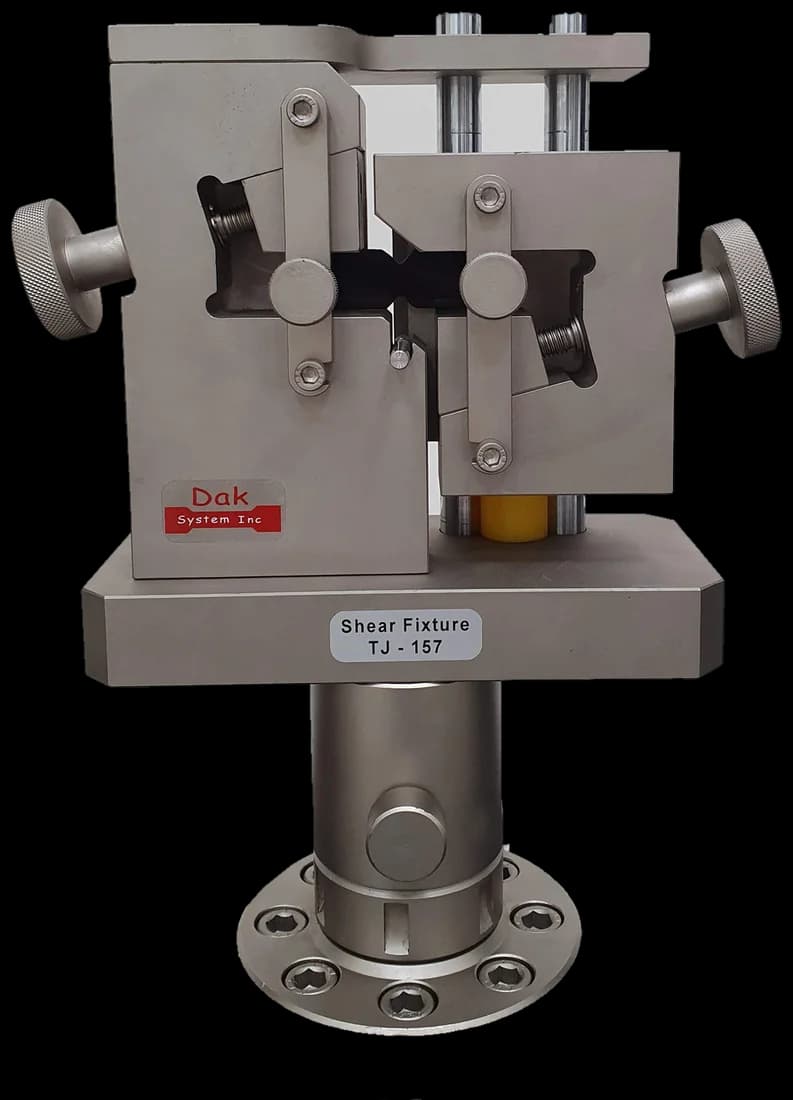
A pair of wood blocks is bonded together and machined so that a step is left on each side of the glue line. The stepped block is dropped into a compression shear tool, which supports one half and bears on the other, the two loading faces sitting a small distance either side of the bond. A compression platen drives the tool downwards until the glue line shears through. The bonded area presented to the shear is nominally a 25.4 mm square, and only force is recorded.

What it measures, and why it matters

Two things come out, and neither is useful without the other. The first is shear stress at failure, the peak load divided by the bonded area. The second is the percentage of the fracture surface covered in torn wood fibre, estimated by eye.

Wood failure is what makes the number readable. A structural adhesive will usually tear the timber rather than the glue line, so the stress figure becomes a lower bound on the bond. A low wood-failure percentage on a low stress result is the warning sign: the adhesive, the surface, or the pressing schedule let go first. The standard is candid that this is not a measurement of adhesive strength in isolation — the wood's own strength, the specimen preparation, the design of the shear tool and the loading rate all bias the result — so it belongs in glue-line quality control and adhesive comparison, not in structural design calculation.

Specimen

Bonded blocks of a defined species and grain orientation, machined after cure so that the offset steps present the nominal square shear area to the tool. The wood matters as much as the adhesive: blocks are conditioned to a stable, defined moisture content before bonding and again before test, and where the adhesive manufacturer gives no target, 10 to 12 % is the usual working figure. The conditioning atmosphere is not stated on any issuing-body page, so the current edition is the only safe reference for it. Replicates are bonded and tested together, since wood variability alone spreads results.

What the machine must be capable of

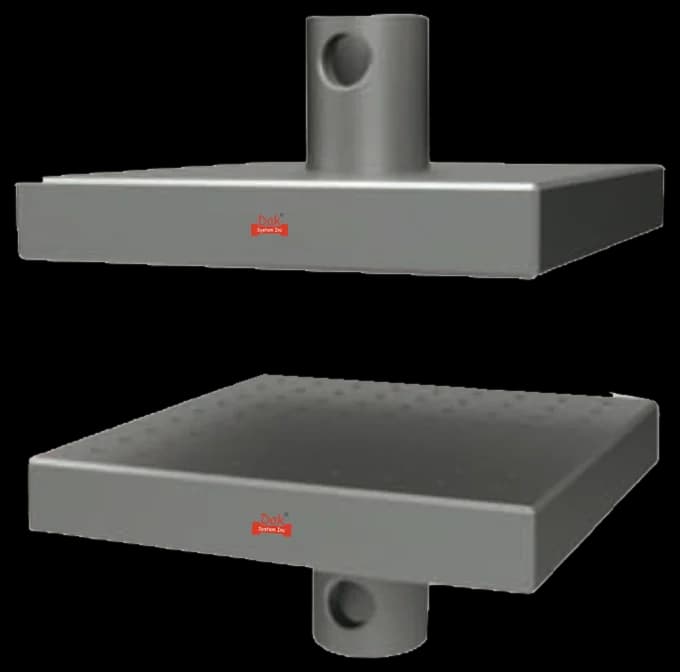
A frame that loads in compression, with a flat platen and square travel. Across the nominal shear area, wood adhesives failing between roughly 5 and 15 MPa break somewhere between about 3 kN and 10 kN, with dense hardwood substrates and strong structural adhesives at the top of the band. That makes 20 kN a practical floor; 50 kN is common in timber laboratories so that one frame also covers the other wood tests in the programme.

Loading rate is the point to be careful with. The method's own discussion records that thermosetting adhesives such as the urea- and phenol-formaldehyde types give the same bond strength anywhere between 0.38 and 12.7 mm/min, with no apparent rate effect — but that is an observation about those adhesives, not the rate the method prescribes. The prescribed rate is not published on any public source and should be read from a purchased copy before a figure is quoted. Force accuracy follows the general ASTM practice for verifying testing machines, E4.

No extensometer and no strain channel are required. The shear tool is the instrument here: its jaw geometry sets where the fracture initiates, and a worn tool changes results without changing anything visible in the data. Conditioning space for the blocks is as much part of the equipment as the frame.

What goes wrong in practice

Bond line off centre. If the glue line does not sit in the plane the tool's loading faces define, the specimen is loaded partly in cleavage and the stress reported is not shear at all. Sloppy machining of the step is the usual cause.

Moisture content drift. Blocks equilibrated properly, then left on a bench for a day in a different atmosphere, change strength — and the wood-failure percentage moves with them. The data look unremarkable and are simply wrong.

Inconsistent wood-failure estimation. Two operators reading the same fracture surface can differ widely, which matters more than the stress figure when a strong adhesive is being qualified. Reference photographs and a second reader are the practical defence.

Substrate substitution. Swapping species, or taking blocks from a different board, changes the result even with an identical adhesive, because the wood is half the specimen.

Related and equivalent standards

The nearest counterpart from another body is ISO 6238:2018, covering wood-to-wood adhesive bonds tested in shear by compression loading. Intent and specimen concept correspond closely, but details of the block and the shear tool differ, so results are not interchangeable without saying which method produced them.

The confusion worth naming is with D1002. Both sit in the same family — shear of an adhesive bond to failure — but D1002 pulls a metal single-lap joint in tension, and there the frame and grips define the test, whereas here the load is compressive, the substrate is wood, and the fixture defines the test.

Running ASTM D905 on the Series 7200 and Series 9000

Dak verifies against whichever standard the method names, and where a class applies our frames sit a class tighter than it asks.

The method asks forDak supplies
CapacityA 25.4 mm square shear area means a wood adhesive failing at 5–15 MPa breaks somewhere between about 3 kN and 10 kN, with dense hardwood substrates and strong structural adhesives at the top of that band. A 20 kN compression-capable frame is the practical minimum; 50 kN is common in timber laboratories so the same frame handles other wood tests.Load cells from 1 kg to 60 ton on the Series 7200, and 0.5 to 100 kN on the Series 9000
Force accuracyASTM E4Verified to ASTM E4, and to ISO 7500-1 Class 0.5
GrippingCompression shear tool holding the stepped, bonded wood block, loaded through a compression platenOur shear fixtures, built to the specimen
EnvironmentWood conditioned to a stable, defined moisture content in a controlled atmosphere before bonding and test3009 series chambers, −150 °C to +400 °C — temperature only

This page describes the method as practised. The governing text is the current edition from the issuing body. Tell us what you are testing and we will answer with the machine, the fixture and a quotation.