

Applications

DAK Material Testing Systems in Industry & Research

From India's space and aviation programmes to automotive development, biomedical testing and materials research, DAK testing systems help engineers understand how materials and components perform. Explore how our machines are used by manufacturers, testing organisations and research institutions.

Material testing in customer applications

Explore mechanical testing in customer laboratories—from industrial materials and components to medical devices and emerging research.

Mission-inspired illustration of a lunar rover and space capsule
ISRO

ISRO

Material testing behind India's space ambitions

DAK testing machines have been used extensively for ISRO’s Chandrayaan-3 mission and Gaganyaan programme. We are proud to support the engineering behind India’s space ambitions with material testing systems designed and manufactured in India.

Across ISRO applications, testing includes solid-propellant tensile strength and elongation, spring stiffness, bearing strength and O-ring evaluation. Materials are also assessed at −150 °C to simulate low-temperature space conditions and at +400 °C for high-temperature testing, helping engineers understand their behaviour under demanding conditions.


Explore universal testing machinesExplore spring testing
Owner-supplied LCA Tejas aircraft in an edited sky composition
HAL

Hindustan Aeronautics Limited

Supporting the engineering behind indigenous aviation

DAK has supplied multiple material testing machines to Hindustan Aeronautics Limited (HAL) for testing associated with the LCA Tejas programme and other aircraft-manufacturing activities.

Behind an aircraft is a broad programme of engineering and material evaluation. DAK contributes through the testing systems used in this work, supporting HAL’s material-testing capability as it advances India’s indigenous aviation programmes.

Explore aerospace and defence testing
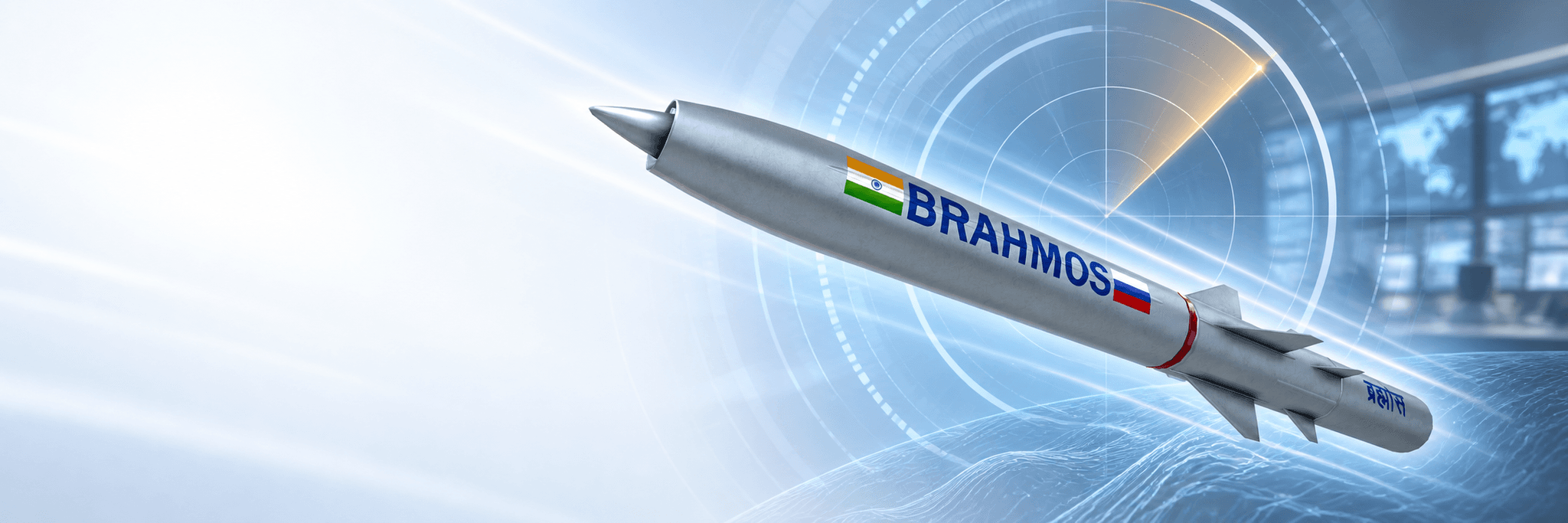
BrahMos missile in a conceptual defence-technology composition
BrahMos Aerospace

BrahMos Aerospace

Material testing behind precision defence engineering

DAK universal testing machines support BrahMos Aerospace in testing materials and internal missile components, including metals, springs and rubber seals.

Metal tensile tests examine strength and deformation. Spring testing measures stiffness, while rubber testing evaluates tensile strength and elongation. Together, these capabilities support the assessment of the different material behaviours within a demanding defence-engineering programme.

Explore universal testing machines
Conceptual defence scene with an armoured vehicle, radar vehicle and high-altitude terrain
DRDO

DRDO

Material testing for demanding defence environments

DAK universal testing machines support DRDO's evaluation of metals, FRP composites, rubber materials and O-rings for defence applications, including missile components and tank-armour materials.

The applications also include tensile and elongation testing of insulating materials for personnel operating at high altitudes and in below-freezing conditions. Across these varied materials, the testing helps characterise their mechanical response—connecting laboratory measurements with the material questions engineers need to investigate.
Explore aerospace and defence testing
Illustrative adhesive-testing montage featuring Pidilite's Fevicol alongside tile-bond and coating specimens
PidiliteAnabondNormet

Pidilite Industries · Anabond · Normet

Adhesion, bond and tensile testing for formulation development

Pidilite, Anabond and Normet use DAK testing systems to evaluate adhesion, bond strength and tensile behaviour—measuring how adhesives and bonded materials hold together, deform and respond to load.

Across these applications, testing includes adhesive and tile-bond strength, pull-off adhesion, slant shear, crack bridging and coating deformation. Using fixtures suited to each specimen and test method, these measurements help development and quality teams compare formulations and assess how bonded interfaces and coatings respond to mechanical loading.

Explore adhesion and bond testing
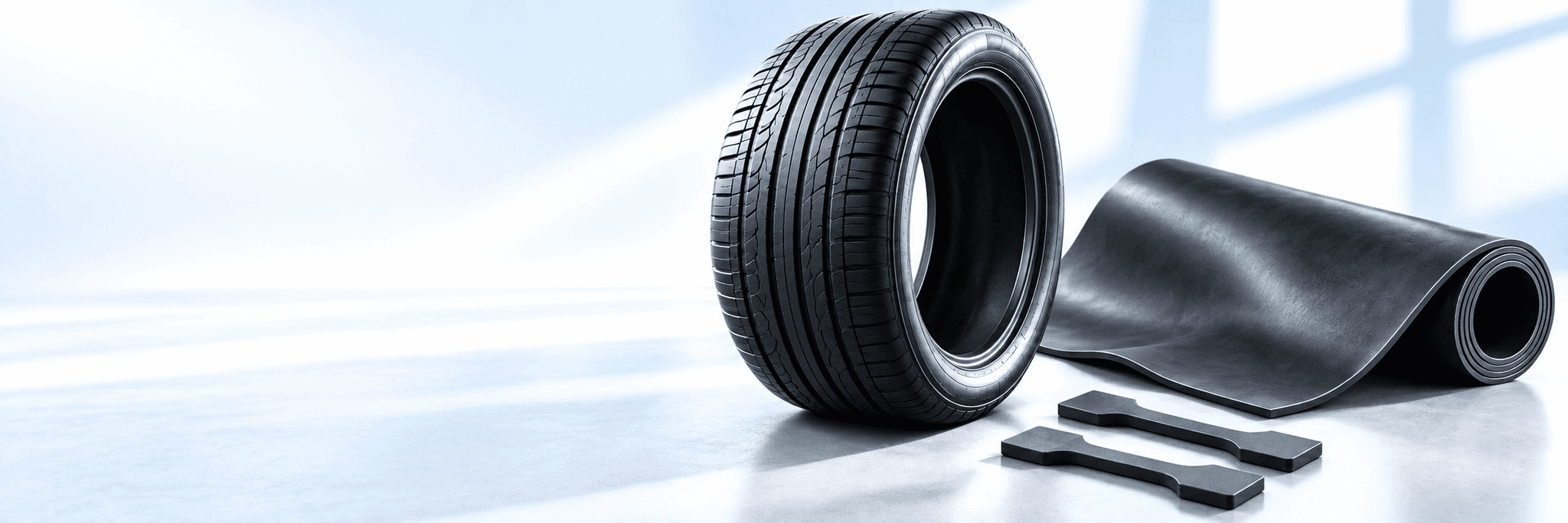
Conceptual tyre, rubber sheet and tensile specimen composition
BKTMRFCEATEmerald Tyres

BKT · MRF · CEAT · Emerald Tyres

From rubber compounds to tyre components

DAK serves tyre manufacturers including BKT, MRF, CEAT and Emerald Tyres. Across these customer relationships, our UTM, MDR and RPA systems support testing from rubber compound studies to the mechanical evaluation of tyre-related components.

Applications include tensile and elongation testing of rubber dumbbells, compression, puncture, tyre-valve pull-out, curing studies and rubber process analysis. Together, these areas connect the study of rubber behaviour with measurements of strength, deformation and component response.

Explore rubber testing systemsExplore MDR systemsExplore RPA systems
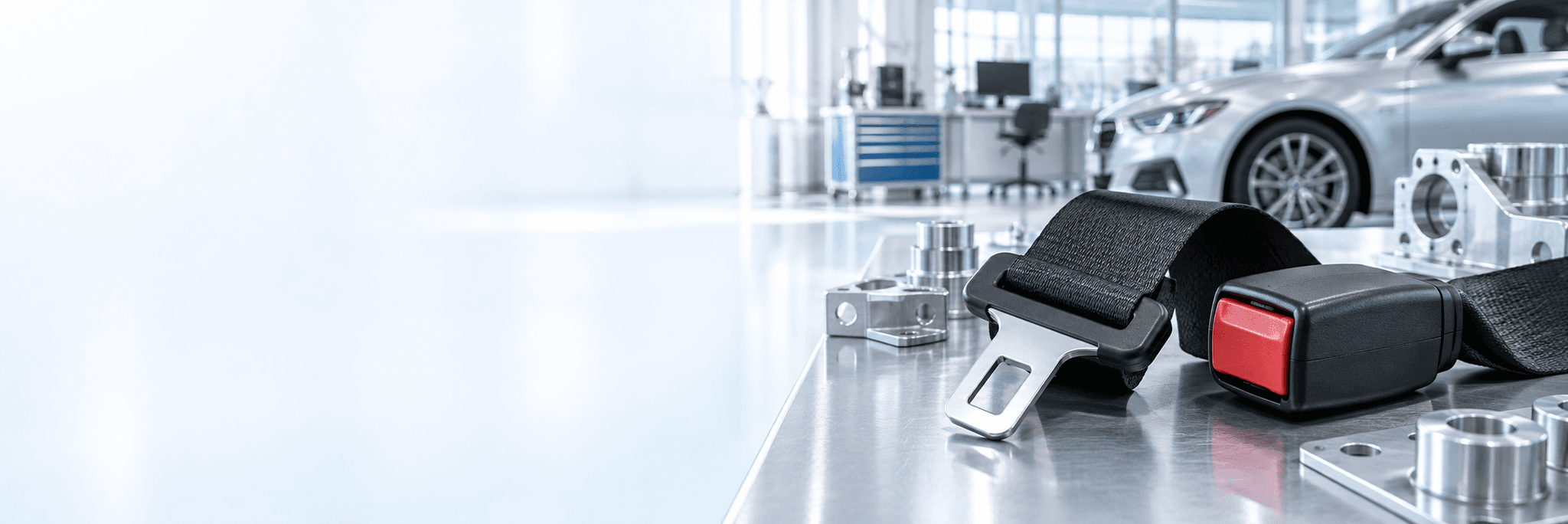
Illustrative automotive laboratory scene with seat-belt webbing, latch tongue, buckle and vehicle components
ICATARAIAutoliv

ICAT · ARAI · Autoliv

Mechanical testing for automotive materials and restraint systems

ICAT and ARAI, automotive testing and certification organisations in India, use DAK machines for a wide variety of tensile, compression, flexural and shear tests. These measurements help their laboratories evaluate the mechanical behaviour of automotive materials and components.

Autoliv uses DAK machines for seat-belt tensile testing and seat-belt buckle strength testing. By examining the webbing and buckle through their respective loading arrangements, these tests provide mechanical measurements for the evaluation of occupant-restraint components.

Explore automotive and EV testing
Illustrative biomedical laboratory scene with a syringe, capped needle and medical-device packaging
NIPER

National Institute of Pharmaceutical Education and Research (NIPER)

Mechanical testing for medical devices and biomedical research

NIPER uses DAK universal testing equipment across a wide range of medical and biomedical investigations. Applications include syringe plunger testing—break-loose, glide and pull-out forces—alongside needle pull-out testing, needle penetration and penetration through vial closures.

These tests examine different aspects of a device's mechanical behaviour: the force needed to operate a syringe, the integrity of an assembled needle, and the resistance encountered during penetration. They form part of a broader programme of biomedical testing, with specimen-specific fixtures bringing different research questions onto the testing platform.

Watch syringe and needle testingExplore biomedical testing
Illustrative materials-research laboratory with metal and rubber specimens and a transparent bath vessel
IIT DelhiNIT TiruchirappalliCSIR

IITs · NITs · CSIR laboratories

From metal alloys to tissue mechanics: testing for research

DAK machines support research across IITs, NITs and CSIR laboratories. At IITs, applications include rubber development and the study of metal alloys; NITs use our systems for metals and alloy investigations, while CSIR laboratories use them in instrumentation and research.

One IIT application combines tensile loading and twisting of animal tissue in a bio-bath on a UTM. This work investigates how combined loading affects tissue, helping researchers study injury mechanisms and inform the development of protective equipment. Together, these applications illustrate the range of questions that carefully configured mechanical testing can help researchers explore.

Explore universal testing systemsRead published research applications

Material testing in published research

From rubber nanocomposites to advanced metals and bonded materials, these studies show how researchers have used DAK equipment to measure material behaviour.

RESEARCH / 01

Rubber nanocomposites

DAK's Series 7200 measured tensile and tear behaviour in EPDM/NBR rubber nanocomposites, helping researchers evaluate their mechanical performance.

Polymer Korea · 2022
RESEARCH / 02

Polymer electrolyte films

A DAK 7200-series system measured the tensile behaviour of polymer electrolyte films, supporting the study of their mechanical properties.

RSC Advances · 2025 · §2.4.7
RESEARCH / 04

Metal composites

A DAK universal testing machine was used to assess the flexural behaviour of iron-based composites reinforced with tungsten carbide–cobalt.

Proceedings of the IMechE, Part C · 2024
RESEARCH / 05

Bio-based epoxies

Tensile and three-point flexural tests on a DAK universal testing machine helped characterise the mechanical performance of bio-based epoxies.

Journal of Composites Science · 2022
RESEARCH / 06

Ceramic bond testing

A DAK Model 1500 measured shear bond strength between ceramic and core materials, helping researchers assess the strength of the bonded interface.

Cureus · 2019

What do you need to put to the test?

Tell us about your material, component and the result you need to measure. Our team can help you define the testing system, grips, fixtures and measurement approach for your application.

Discuss your testing requirements