Testing standard

ASTM C109

Standard Test Method for Compressive Strength of Hydraulic Cement Mortars (Using 50 mm [2 in.] Cube Specimens)

Written and technically reviewed by Dak System Inc. engineeringLast reviewed

ASTM C109 crushes 50 mm mortar cubes made to a prescribed 1:2.75 cement-to-standard-sand mix, normally at 3, 7 and 28 days. Because everything except the cement is held constant, the result is a property of the cement — which is why cement is bought, sold and certified on this test. The current edition is C109/C109M-24.

At a glance

Test type
Compressionthe specimen is squeezed
Published by
ASTM
Edition
C109/C109M-24

What the test does

Mortar cubes 50 mm on a side are cast from a standard mix, cured, and crushed between the platens of a compression machine. The maximum load divided by the bearing area is the compressive strength.

The mix is prescribed, not chosen: one part cement to 2.75 parts of graded standard sand by mass, with a water content fixed by the type of cement. That is the point of the method. It is not testing a concrete mix; it is testing the cement, with everything else held constant so that differences in the result are differences in the cement.

Strength is normally determined at 3, 7 and 28 days, with the 28-day figure the standard reference.

What it measures, and why it matters

This is the test on which cement is bought, sold and certified worldwide. A cement specification quotes minimum compressive strengths at ages, and those figures come from this method or its close national equivalents. A mill that misses them has produced material it cannot sell as that grade.

It is also the routine control test in a cement works, run on every production interval, and the early-age results are what tell a plant whether the clinker, the grinding fineness and the gypsum addition are right while there is still time to change them.

What it does not do is predict the strength of a concrete made with that cement. The mortar mix is fixed and the water content is fixed; a concrete has aggregate, admixtures, a different water-cement ratio and a different placing history. C109 characterises one input to that system.

Loading rate is specified as a relative platen movement giving 900 to 1800 N/s, equivalently 200 to 400 lbf/s. The rate is established during the first half of the anticipated maximum load and is not altered in the second half.

A prescribed specimen, not a chosen one

Nothing about this mix is a design decision. The proportions are fixed so that the only variable left is the cement.

Specimen
Cubes 50 mm [2 in.] on a side
Mix
1 part cement to 2.75 parts graded standard sand by mass
Water
Fixed by the type of cement
Sand
Graded standard sand, a controlled materialSubstituting a local sand invalidates the comparison with every other laboratory running the method.
Ages
Normally 3, 7 and 28 days, with 28 days the reference
Bearing faces
Plane and at right angles to the sidesA cube with a convex face bears on its high points and reads low.
Treat mixing and tamping as part of the specimen
DakMixing time, tamping pattern, number of layers and the interval from mixing to moulding all change the cube before the machine ever sees it.

Loading rate — a narrow band, and a real requirement

Rate
900 to 1800 N/s, equivalently 200 to 400 lbf/s
When it is established
During the first half of the anticipated maximum load
During the second half
The rate is not altered
Reported
Maximum load, and compressive strength as load over bearing area
A frame that cannot hold this band fails the method, not the cement
Dak

What is being held constant

Compressive strength

Maximum load divided by the cube bearing area

maximum load
the peak recorded, N
bearing area
the nominal 50 mm by 50 mm face
Why the mix is prescribed

Every variable except the cement is fixed

Sand grading, proportion, water content, mixing, tamping and curing are all specified. What is left in the result is the cement.

What it does not predict

The strength of a concrete made with the same cement

A concrete has aggregate, admixtures, a different water-cement ratio and a placing history. This method characterises one input to that system.

How the test runs

  1. 01Proportion cement and graded standard sand at 1:2.75 by mass.
  2. 02Add water at the amount fixed for the cement type.
  3. 03Mix to the prescribed procedure and timing.
  4. 04Mould cubes in gang moulds, tamping to the prescribed pattern.
  5. 05Demould and cure in the prescribed conditions.
  6. 06At each test age, check the bearing faces are plane and square.
  7. 07Centre the cube under a free spherically seated upper platen.
  8. 08Load at 900 to 1800 N/s, established in the first half of the expected load.
  9. 09Hold the rate through the second half without altering it.
  10. 10Record the maximum load and compute the strength.
  11. 11Report by age with the number of cubes.

Grips and fixtures for this method

Flat-plate compression anvils, upper and lower
Rigidly fixedTJ-146

Compression Anvils

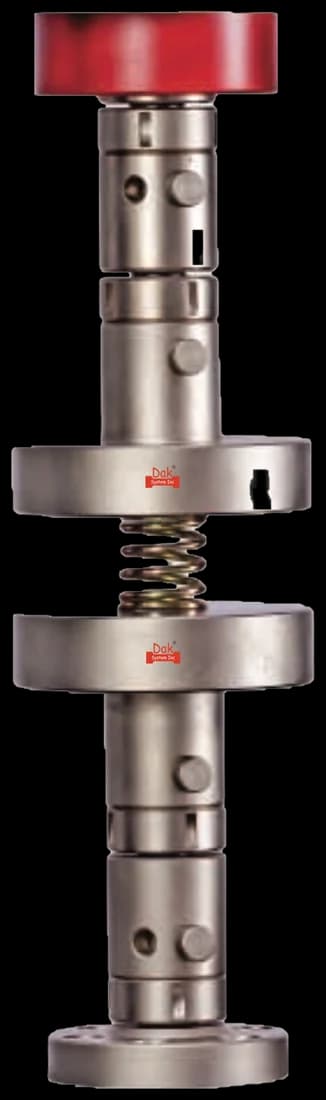
Hard, plane bearing blocks larger than the 50 mm cube, with the upper one spherically seated so it aligns with a face that is never perfectly parallel to the lower. The seat must move freely at the start of loading and not wander during it — a seized seat loads one edge first and the cube reads low.

Specifications
Self-identifying

Load Cells

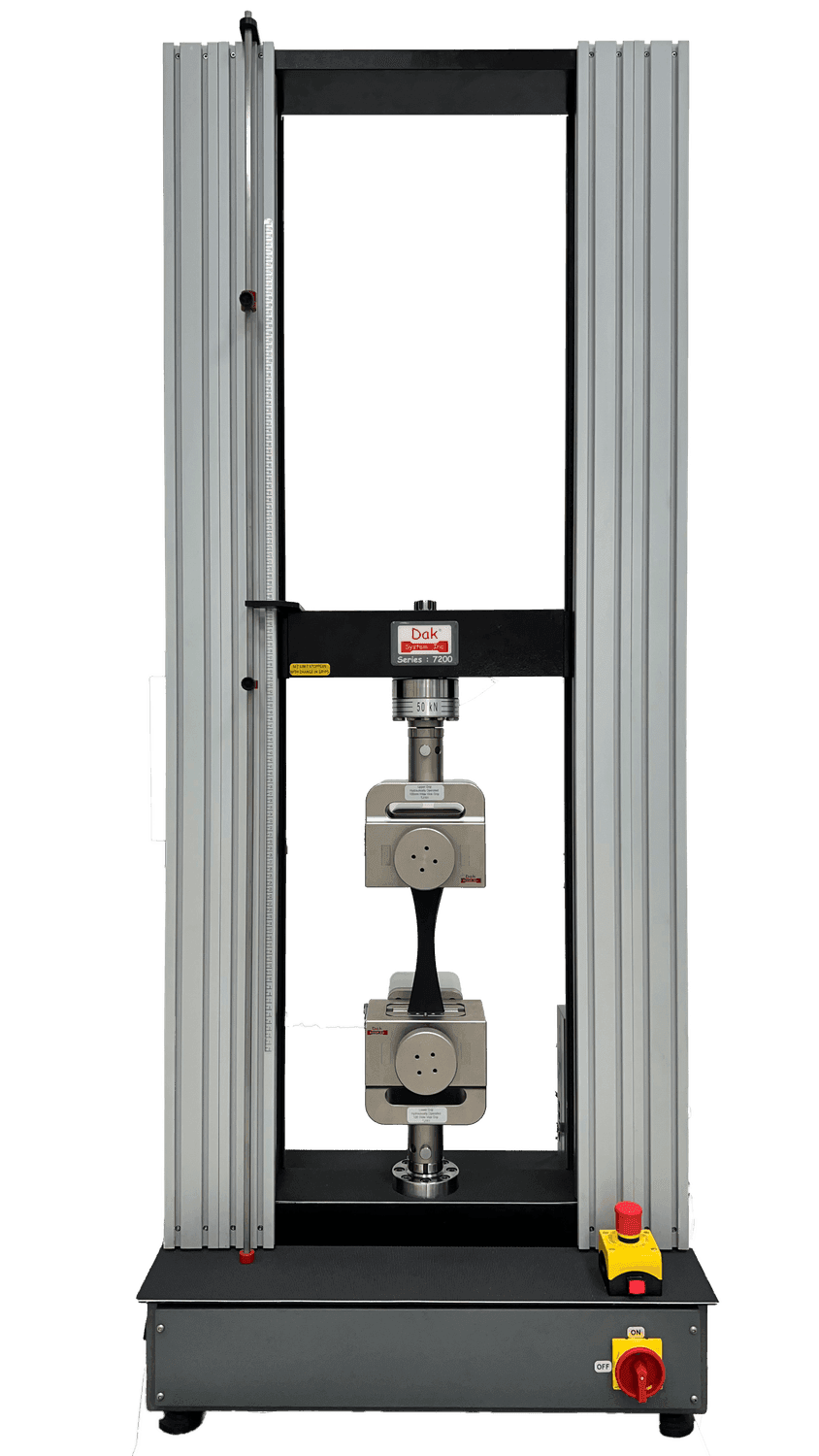
A 50 mm cube at 40 to 60 MPa fails at roughly 100 to 150 kN, well inside an ordinary cement-works frame. The demanding part is control: 900 to 1800 N/s is a narrow band and needs a machine that regulates well at a low rate.

Specifications

What the report has to contain

  • Reference to ASTM C109/C109M and the edition
  • Cement type and identification
  • Sand source and confirmation it was graded standard sand
  • Water content used and the basis for it
  • Mixing and moulding date and time
  • Curing conditions
  • Age at test
  • Loading rate
  • Maximum load and compressive strength for each cube
  • Mean and the number of cubes at each age

What the machine must be capable of

A 50 mm cube at a typical mortar strength of 40 to 60 MPa fails at roughly 100 to 150 kN. A compression frame of 250 kN upwards covers cement work comfortably, with force accuracy to ASTM E4.

Platen requirements are strict. The upper platen must be spherically seated so that it aligns with a cube face that is not perfectly parallel to the lower one, and the seat must be free enough to move at the start of loading and stiff enough not to wander during it. Bearing blocks should be hard, plane and larger than the cube.

The load rate is a real control requirement rather than a formality: 900 to 1800 N/s is a narrow band and a frame that cannot hold a steady low rate will fail the method rather than the cement.

What goes wrong in practice

Cube faces out of plane are the most common mechanical fault and always read low. A seized spherical seat does the same thing by loading one edge first. Loading too fast raises the apparent strength — a well-known bias, and the reason the rate band is specified so narrowly. And any departure from the mixing and tamping procedure changes the specimen before the machine sees it.

Cement strength, and concrete strength

Three documents, three specimens, three questions. They are routinely confused with one another.

ASTM C109EN 196-1ASTM C39
TestsThe cementThe cementThe concrete
Specimen50 mm mortar cube40 by 40 by 160 mm prismA concrete cylinder
ProcedureCompression onlyFlexure, then compression on the halvesCompression
MixPrescribed 1:2.75Prescribed, different proportionsThe concrete as supplied
Numbers interchangeableNoNoNo

A cement certified to a strength class under EN 196-1 will not give the same figure under C109, because the specimen and the mix differ. Converting between them by a fixed factor is a rule of thumb, not a substitution.

Questions we are asked about this test

What is ASTM C109?

ASTM C109, published as C109/C109M, determines the compressive strength of hydraulic cement mortars using 50 mm cube specimens. Cubes are cast from a prescribed mix of one part cement to 2.75 parts graded standard sand, cured, and crushed at set ages — normally 3, 7 and 28 days. The current edition is C109/C109M-24, which retitled the document to lead with the metric cube size.

Why is the mix prescribed rather than chosen?

Because the cement is the subject, not the mortar. Sand grading, proportion, water content, mixing, tamping and curing are all fixed by the method, so anything different in the result is something different about the cement. A test on a mortar of the laboratory's own devising would measure the mortar, and two laboratories would never agree.

Does it predict the strength of concrete made with that cement?

No, and treating it as though it does causes real disputes. A concrete has coarse aggregate, a different water-cement ratio, admixtures, a placing and compaction history and a curing regime that is nothing like a cube in a laboratory. C109 characterises one input to that system. It is excellent at telling you whether the cement is what it claims to be, and it makes no claim about the concrete.

Why does the sand have to be standard sand?

Because sand grading changes mortar strength substantially, and if the sand varies then the test is measuring the sand as well as the cement. Graded standard sand is a controlled, certified material produced specifically so that every laboratory using the method is mixing against the same aggregate. Substituting local sand produces numbers that cannot be compared with anyone else's, including the specification.

Why is the loading rate band so narrow?

Because concrete and mortar strength are rate-sensitive: load faster and the apparent strength rises. On a certification test that decides whether a grade can be sold, a rate that drifts is a systematic bias, so the method fixes it at 900 to 1800 N/s, requires it to be established during the first half of the expected load, and forbids altering it in the second half. A frame that cannot hold that band fails the method rather than the cement.

What does a spherically seated platen do?

It lets the upper bearing block tilt to match a cube face that is not exactly parallel to the lower one. Without it the cube is loaded on one edge first and fails early. The seat has to be free enough to find its position as load begins, and stiff enough not to keep moving once it has — a seized seat and an over-loose one both produce low results, and a seized one is the commoner of the two.

How does it compare with EN 196-1?

They test the same thing by different means. EN 196-1 casts 40 by 40 by 160 mm prisms, breaks them in flexure, and then crushes the two halves in compression; C109 casts 50 mm cubes and crushes them. The specimen geometry, the mix proportions and the sand all differ, so the numbers are not interchangeable and a cement certified to a strength class under one will not reproduce that figure under the other.

Running ASTM C109 on the Series 7200 and Series 9000

Dak verifies against whichever standard the method names, and where a class applies our frames sit a class tighter than it asks.

The method asks forDak supplies
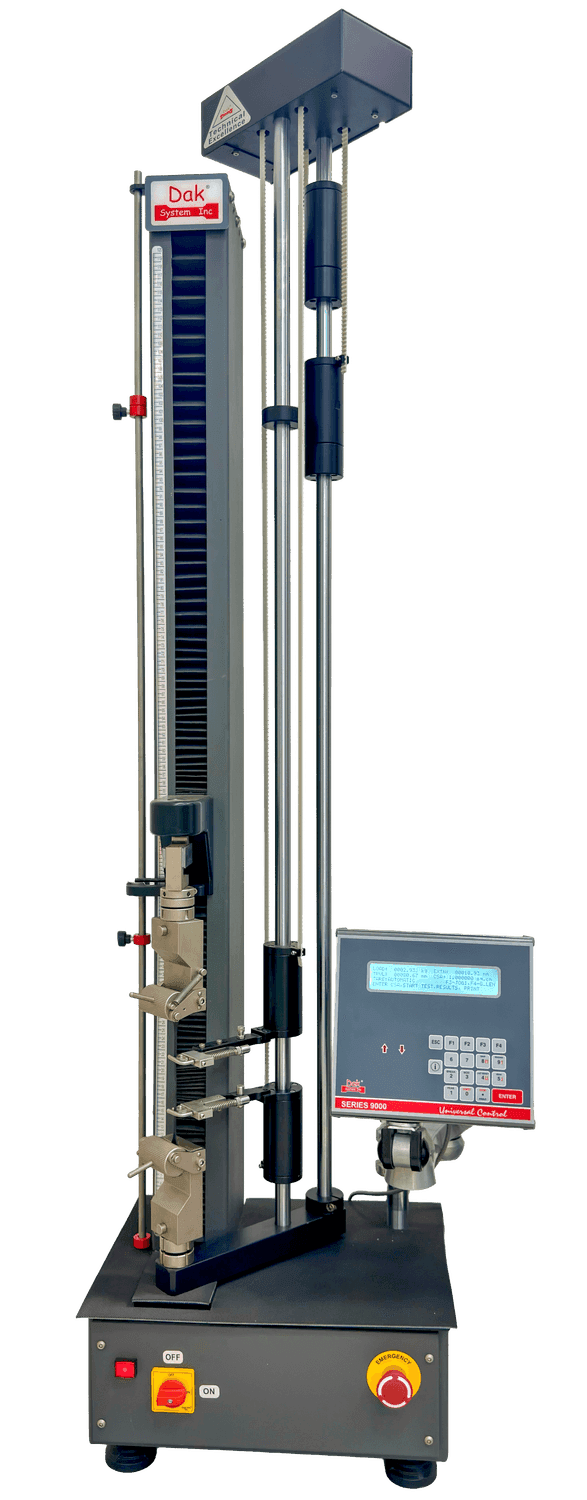
CapacityRoughly 100 to 150 kN for a 50 mm cube at 40 to 60 MPaLoad cells from 1 kg to 60 ton on the Series 7200, and 0.5 to 100 kN on the Series 9000
Force accuracyASTM E4Verified to ASTM E4, and to ISO 7500-1 Class 0.5
GrippingHard plane bearing blocks larger than the cube, with a freely moving spherically seated upper platenOur compression anvils, built to the specimen
EnvironmentPrescribed mixing, moulding and curing conditions; the mix and water content are fixed by the method3009 series chambers, −150 °C to +400 °C — temperature only

This page describes the method as practised. The governing text is the current edition from the issuing body. Tell us what you are testing and we will answer with the machine, the fixture and a quotation.