16 CFR 1500.51–.53
Load–deflection & proof loadCPSC use-and-abuse test methods for toys intended for children (age-graded pull and flexure forces).
The strength of a joint, the force needed to detach a component and the behaviour of a material under load are practical questions in product development and quality control. DAK testing systems help turn these questions into measured results through specimen-specific loading, gripping and analysis.
A pull test can examine the attachment between a component and the surrounding product. Identify what is being pulled, where the product is supported and whether the result is a specified-load response or separation force.
Material strength and the strength of a sewn or assembled connection are different test questions. State the strap or cord construction and which section is loaded when selecting the grips and required travel.
Fastener testing can load different parts of an assembly in different directions. Define the zipper or closure component and the property of interest so the fixture reproduces the intended arrangement.
Peel and shear loading reveal different aspects of a fastening or adhesive connection. Include the material, overlap, loading direction and whether specimens are new or tested after a defined use sequence.
Tensile, compression and bending tests examine how plastics, rubber and other materials respond to load. A prepared material specimen and a finished component require different holding arrangements and interpretation.
Tensile testing helps compare flexible sheet materials used in consumer products. Specify the material direction, specimen dimensions and conditioning along with the required strength or extension measurement.
The surrounding body, soft surface or small attachment may need a different holding approach. Share a product photograph and show where the pulling or compression force should act.
Small components can require attention to the useful measuring range, not just maximum machine capacity. State the force of interest and whether you need movement, separation force or a response at a specified load.
Record the specimen condition and any steps that precede mechanical loading. Applying a load, holding it and pulling to separation answer different questions; the chosen method should define which sequence is needed.
Select a universal testing machine for the material and linear-force tests in your programme, with fixtures suited to the product. Match force measurement, travel and holding space to the actual specimens.
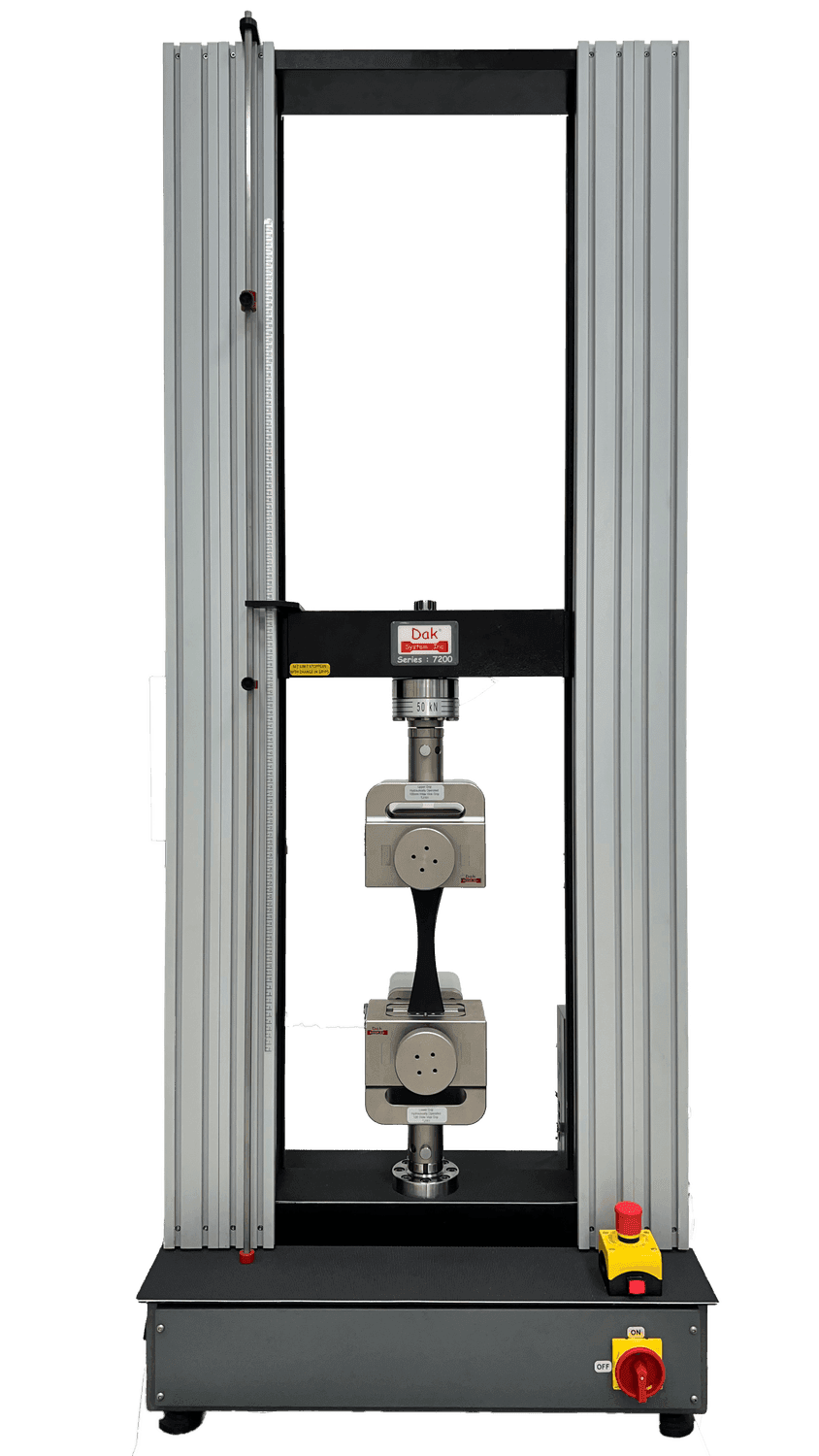
DAK flagship
Our flagship universal testing platform brings flexible test programming, specimen setup and measurement together for laboratories evaluating varied materials, small assemblies and product connections.
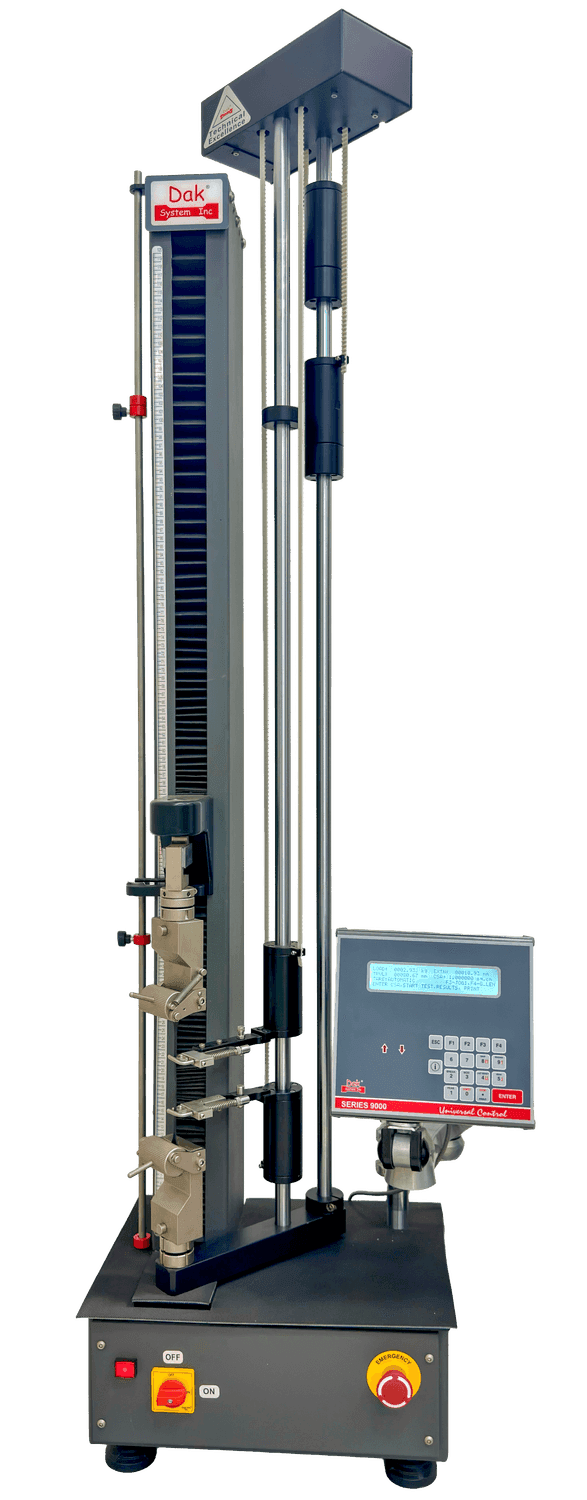
A universal testing option for established force-and-movement methods. Compare its published specifications with the specimen, loading sequence and measurement requirements of your laboratory.
A torque test is different from a linear pull test. Share the required torque range, gripping arrangement and angular movement to discuss a torsion-testing configuration for your component.
Product type, intended use and destination market determine the applicable requirements. The library helps locate mechanical-test references; wider product-safety assessment also includes requirements beyond force and deformation testing.
CPSC use-and-abuse test methods for toys intended for children (age-graded pull and flexure forces).
Strength tests for zippers — crosswise strength, slider lock holding, pull-off of puller.
Hook-and-loop touch fasteners — shear strength and 180° peel strength.
US toy safety — use-and-abuse tension (70 N / 15 lbf pull), torque and compression tests.
Garment and product closure strength (childrenswear snap pull-off).
Soothers and drinking equipment — tensile integrity of components (choking-hazard prevention).
Children's high chairs — static load and restraint-system strength.
Wheeled child conveyances (strollers/prams) — static strength of handles, harness anchorage and locking devices.
Toy safety — tension test (small parts release), torque test, drop and compression checks with calibrated force application.
Children's high chairs — static load and restraint-system strength.
Toy safety — tension test (small parts release), torque test, drop and compression checks with calibrated force application.
Nonwovens — breaking strength and elongation by grab method.
Showing 1–8 of 12 standards
A tensile specimen measures the selected material; a pull-out test examines a connection in an assembly. Explain which outcome matters so a strong material result is not mistaken for a strong finished attachment.
Development comparisons and prescribed safety tests may use different preparation, loading and assessment steps. Identify the product, age group where relevant, market and required method when discussing the mechanical part of your programme.
Share the product and the result you want to measure. Include the intended market when the enquiry relates to a specified product-safety programme.